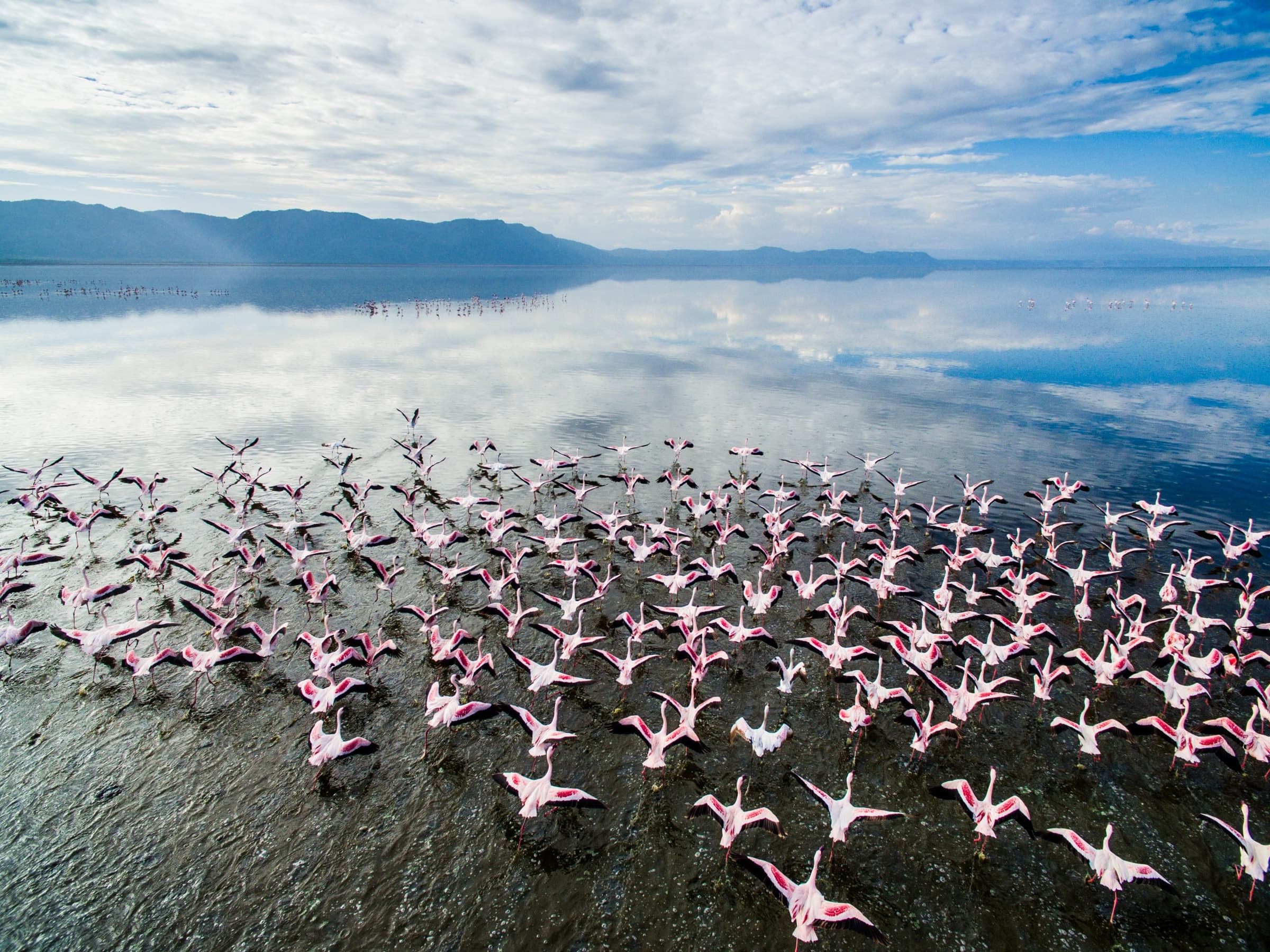
Katavi National Park
One of Tanzania's most remote parks, offering a truly authentic wilderness experience with massive buffalo herds.
Katavi National Park
Experience pristine wilderness with massive buffalo herds in Tanzania's remote west.
What Makes It Special
Remote wilderness
Massive buffalo herds
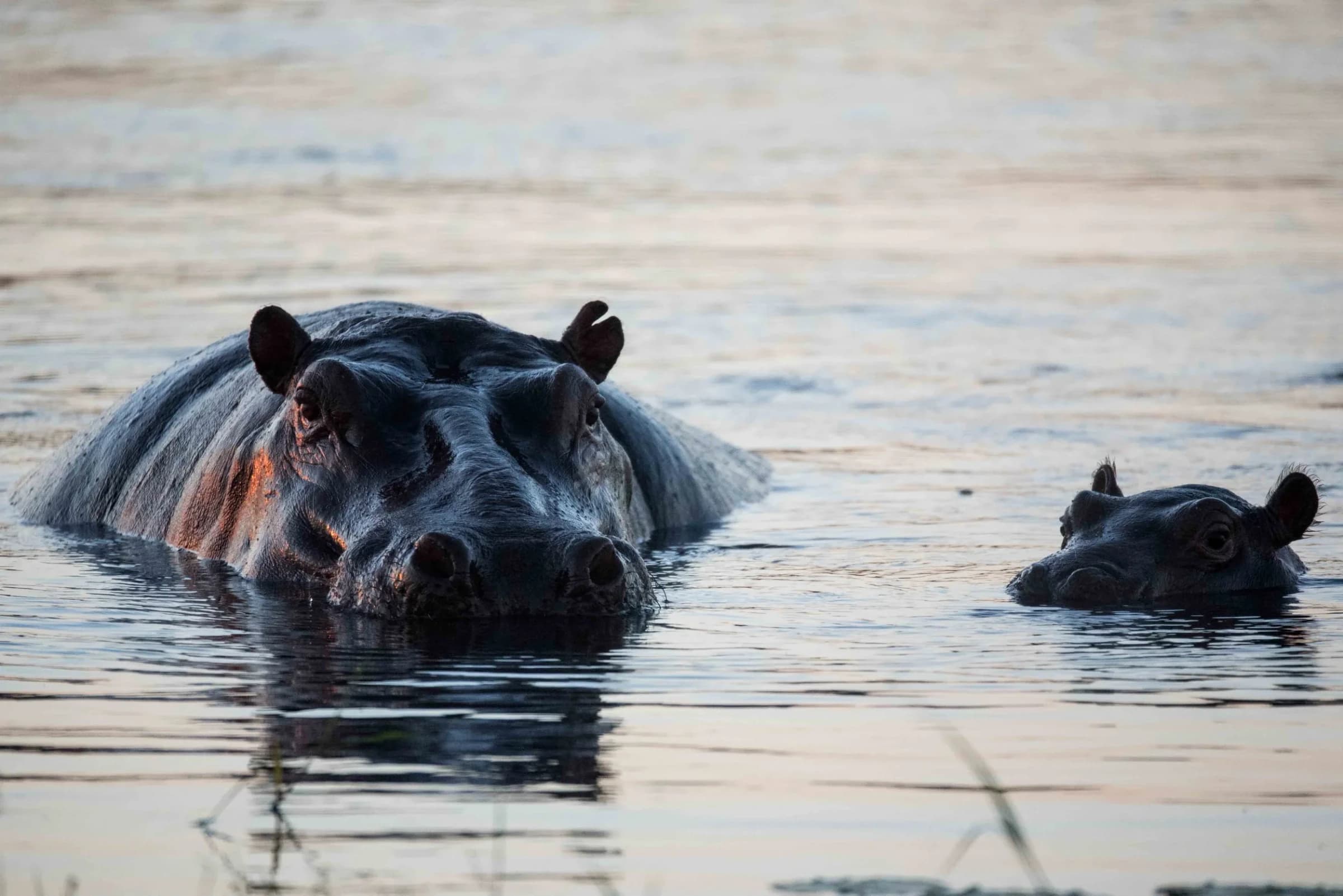
Seasonal hippo concentrations
Few tourists
Excellent dry season game viewing
Incredible Wildlife
Home to an extraordinary array of wildlife, Katavi National Park offers unparalleled opportunities to witness nature's most spectacular animals in their natural habitat.
When to Visit
Best Months to Visit
Plan your trip during these ideal times
Plan Your Visit
Ready to experience the magic of Katavi National Park? Let us help you plan your perfect safari adventure.
Book This Destination
Plan Your Visit
Helpful guides for your Katavi National Park adventure
Complete Guide to Planning Your Tanzania Safari in 2025
Expert guide to planning the perfect Tanzania safari. From choosing the right parks and accommodations to budgeting and booking - everything you need for an unforgettable African adventure.
Best Time to Visit Tanzania: Complete Seasonal Guide 2025
Discover the perfect time for your Tanzania safari. Complete month-by-month guide covering weather, wildlife, Great Migration, prices, and crowds. Plan your trip for optimal safari experiences.
More Destinations
Discover Tanzania's other incredible locations
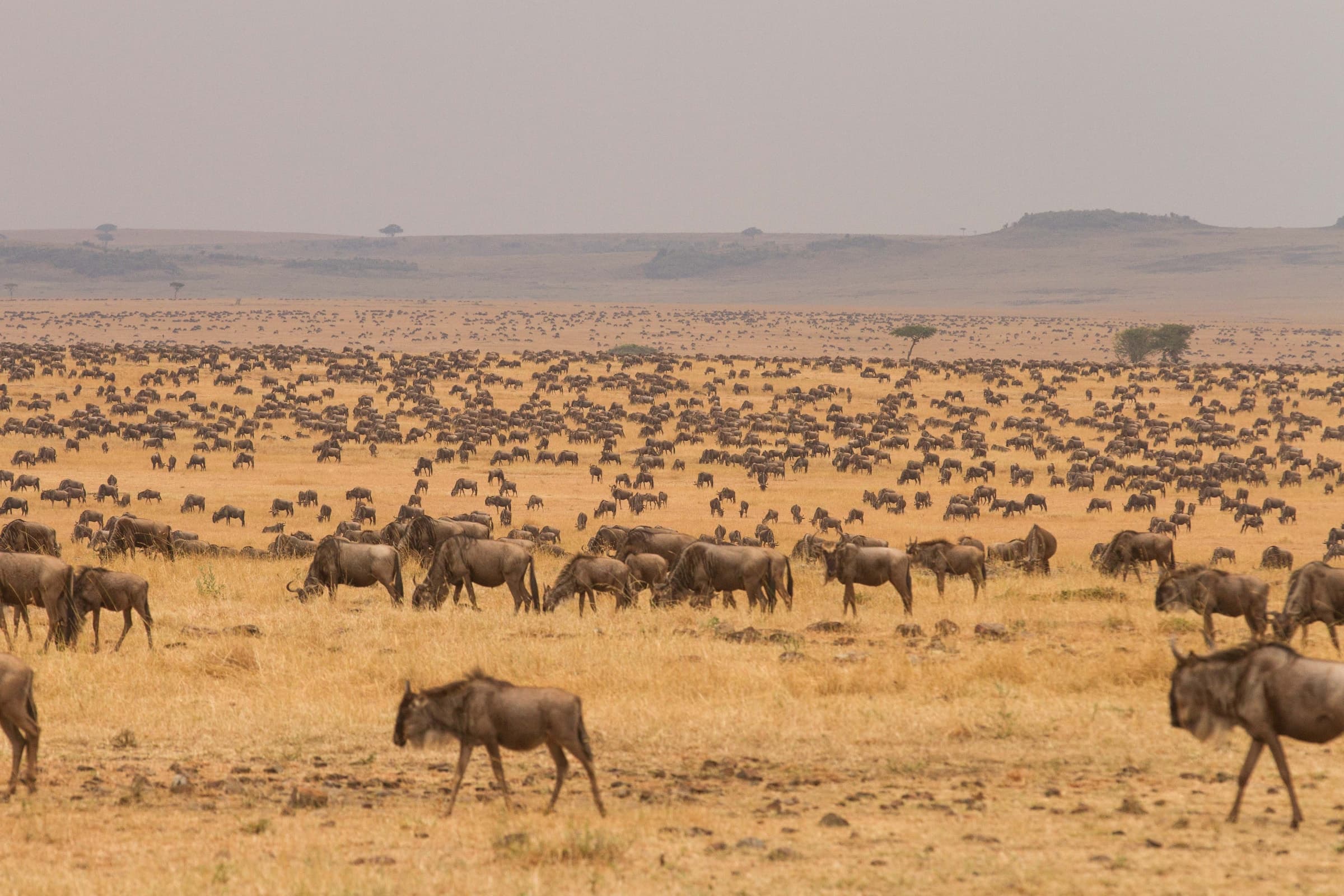
Serengeti National Park
Witness the world's greatest wildlife spectacle - the Great Migration of over 2 million wildebeest, zebras, and gazelles across the endless Serengeti plains. Home to Africa's Big Five and exceptional predator sightings.
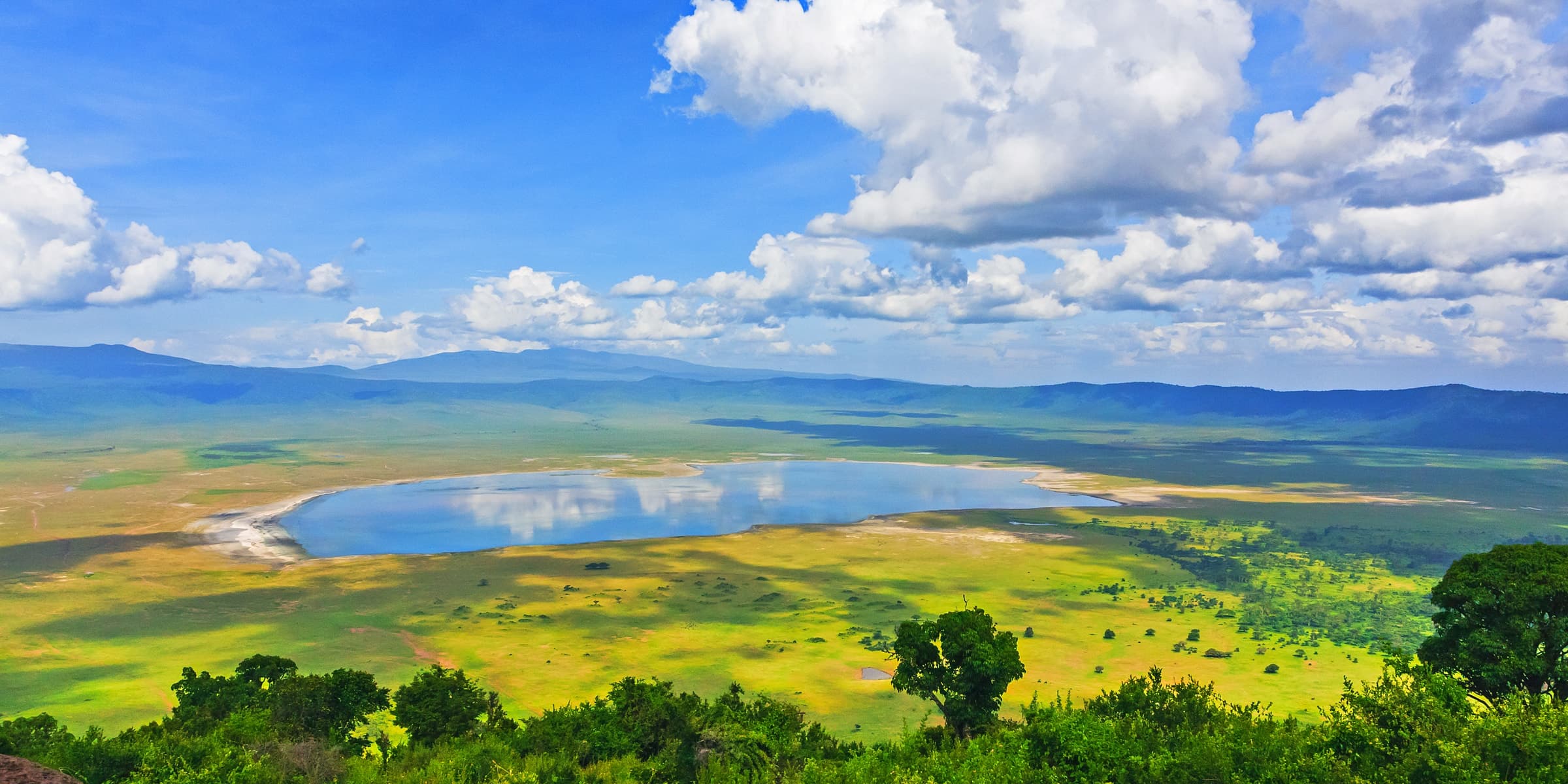
Ngorongoro Crater
Descend into the world's largest intact volcanic caldera, a natural wonder teeming with 25,000 large animals including the Big Five. UNESCO World Heritage Site offering the densest wildlife concentration in Africa.
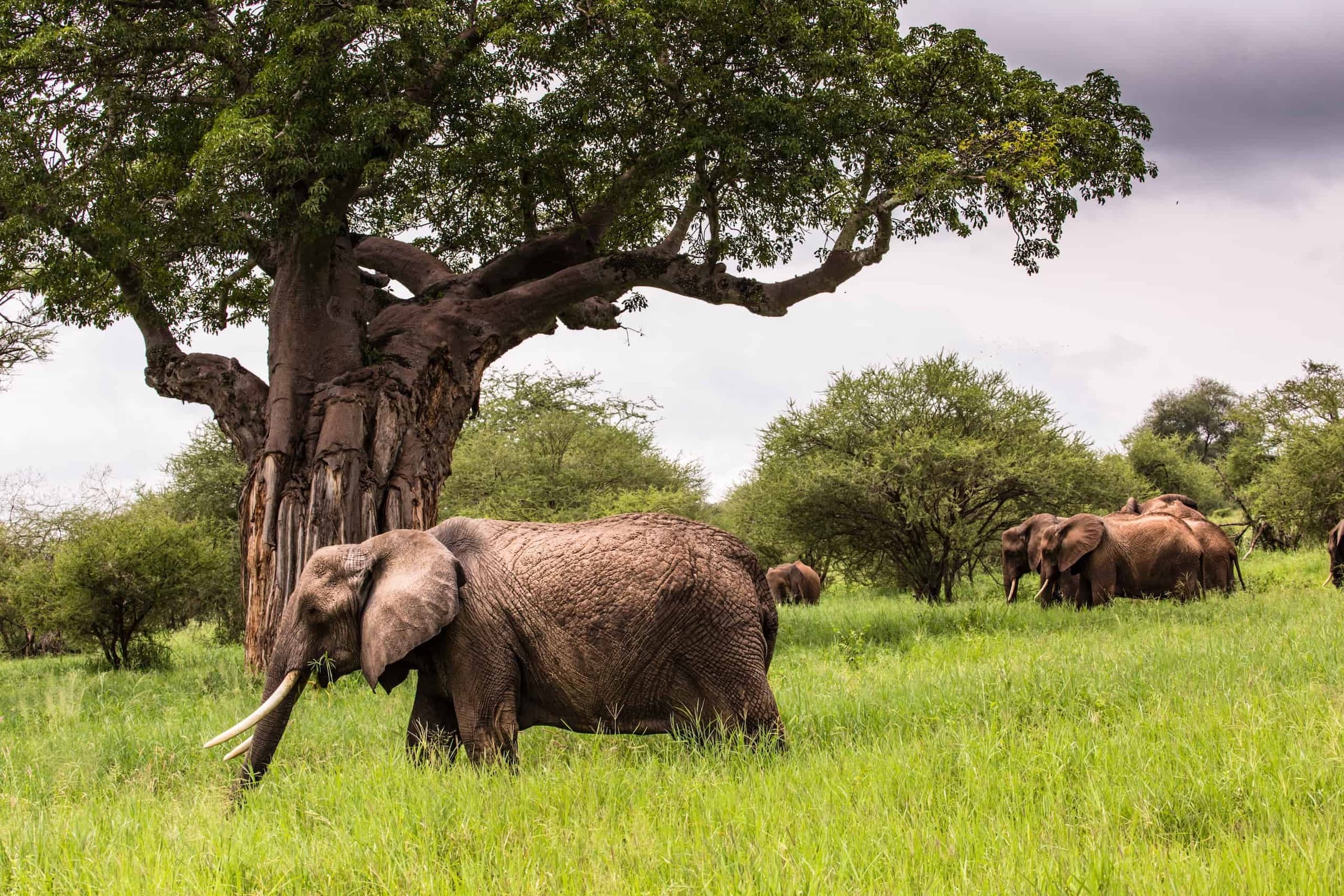
Tarangire National Park
Home to Tanzania's largest elephant herds and iconic ancient baobab trees. Experience spectacular dry season wildlife concentrations along the Tarangire River with over 550 bird species.