Complete Guide to Planning Your Tanzania Safari in 2025
Expert guide to planning the perfect Tanzania safari. From choosing the right parks and accommodations to budgeting and booking - everything you need for an unforgettable African adventure.
Planning a safari to Tanzania is one of the most exciting travel decisions you'll ever make. With proper planning and expert guidance, your Tanzania safari will be the adventure of a lifetime. This comprehensive guide covers everything from selecting the right parks to budgeting and booking your perfect safari.
Why Choose Tanzania for Your Safari?
Tanzania is Africa's premier safari destination, home to the legendary Serengeti, the magnificent Ngorongoro Crater, and the vast wilderness of the Selous Game Reserve. With over 25% of its land protected as national parks and reserves, Tanzania offers unparalleled wildlife viewing opportunities.
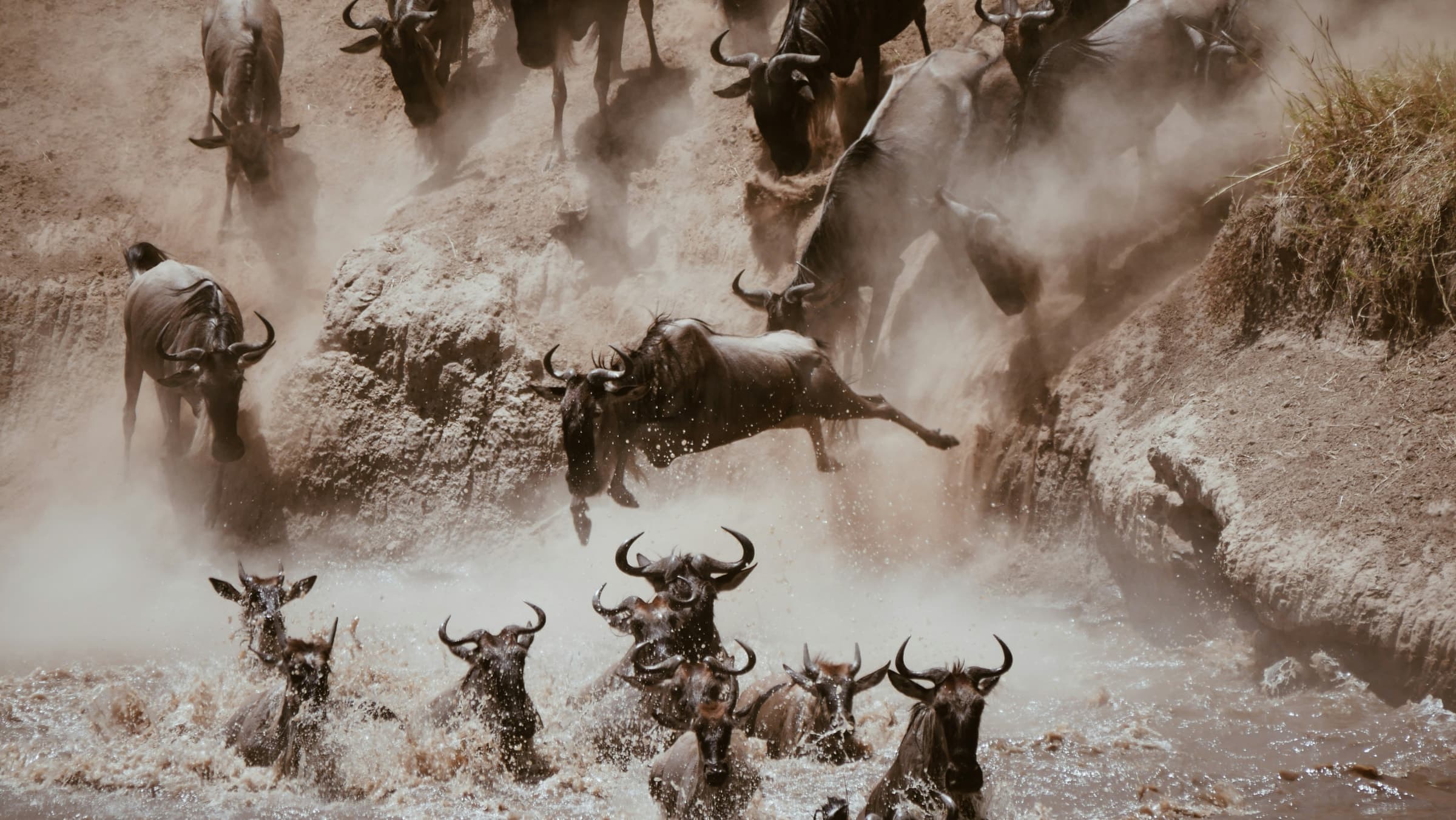
The country hosts the Great Migration—one of the world's most spectacular natural phenomena—where over 2 million wildebeest, zebras, and gazelles traverse the Serengeti ecosystem. Tanzania also boasts the highest concentration of wildlife in Africa and is home to the "Big Five": lions, leopards, elephants, buffalo, and rhinoceros.
Step 1: Choose Your Safari Style
Budget Safari (Under $250/day)
Budget safaris typically involve camping or basic accommodations, shared vehicles, and simpler meals. While more rustic, these safaris still offer excellent wildlife viewing and are perfect for adventurous travelers who prioritize wildlife over luxury.
Typical inclusions: Camping equipment, park fees, basic meals, shared 4x4 safari vehicle, and experienced driver-guide.
Mid-Range Safari ($250-500/day)
Mid-range safaris strike the perfect balance between comfort and value. Expect comfortable lodges or permanent tented camps with en-suite bathrooms, good food, and professional guides. This is the sweet spot for most safari-goers.
Typical inclusions: Comfortable lodge/tented camp, all meals, park fees, private or small group vehicle (4-6 people), professional guide.
Luxury Safari ($500-1000+/day)
Luxury safaris provide world-class accommodations, gourmet dining, private vehicles, and highly experienced guides. Lodges often feature infinity pools, spa services, and exceptional locations. Some include exclusive conservancy access for private game drives.
Typical inclusions: Luxury lodge/camp, gourmet meals, premium beverages, private vehicle and guide, exclusive experiences, spa treatments, and personalized service.
Step 2: Select Your Safari Parks
Northern Circuit (Most Popular)
Serengeti National Park: Tanzania's most famous park and a UNESCO World Heritage Site. Home to the Great Migration, year-round big cat sightings, and vast plains teeming with wildlife. Best visited February-March (calving season) or July-October (river crossings).
Ngorongoro Crater: Often called the "Garden of Eden," this 600m-deep volcanic caldera hosts the world's densest concentration of large mammals. Perfect for a day trip with guaranteed wildlife sightings including the rare black rhino.
Tarangire National Park: Famous for massive elephant herds (up to 3,000), ancient baobab trees, and excellent predator sightings. Less crowded than Serengeti, offering a more intimate safari experience. Best in dry season (June-October).
Lake Manyara National Park: Compact park known for tree-climbing lions, huge flocks of flamingos, and diverse birdlife (over 400 species). Perfect for a half-day safari when combined with other northern parks.
Southern Circuit (Off the Beaten Path)
Selous Game Reserve (Nyerere National Park): Africa's largest protected wilderness area, offering boat safaris, walking safaris, and fly-camping. Much less crowded with excellent predator populations and diverse ecosystems.
Ruaha National Park: Tanzania's largest national park with incredible elephant populations and excellent predator sightings. Remote and wild with fewer tourists—perfect for experienced safari-goers seeking solitude.
Western Circuit (Remote & Wild)
Katavi National Park: One of Africa's wildest parks with huge buffalo herds (up to 4,000), hippo pods, and pristine wilderness. Very few visitors—you might have the entire park to yourself.
Mahale Mountains: Home to habituated chimpanzees on the shores of Lake Tanganyika. Combines primate tracking with stunning mountain scenery and crystal-clear lake swimming.
Step 3: Determine Safari Duration
3-4 Day Safari
Best for: First-time safari-goers, limited time, or safari add-on to beach holiday.
Typical itinerary: Ngorongoro Crater + Tarangire or Lake Manyara. You'll see diverse wildlife but won't experience the vastness of the Serengeti.
5-7 Day Safari
Best for: Comprehensive northern circuit experience with good wildlife variety.
Typical itinerary: Tarangire + Ngorongoro Crater + Serengeti (2-3 nights). This duration allows proper Serengeti exploration and maximizes wildlife encounters.
8-12 Day Safari
Best for: Ultimate Tanzania experience combining multiple regions or adding Zanzibar beach extension.
Typical itinerary: Extended northern circuit with multiple Serengeti regions, or combining northern + southern circuits, or safari + Kilimanjaro climb + Zanzibar.
Step 4: Budget Your Safari
Cost Breakdown Per Person (7-day safari)
- Budget: $1,500 - $2,000 total ($200-300/day)
- Mid-Range: $2,500 - $4,000 total ($350-550/day)
- Luxury: $5,000 - $10,000+ total ($700-1,500+/day)
What's Included in Safari Costs
Typically included: All park fees (significant expense—up to $250/day), accommodations, meals, safari vehicle with fuel, professional guide, airport transfers, and bottled water.
Not typically included: International flights ($800-2,000), Tanzania visa ($50-100), travel insurance ($100-300), personal items, tips for guide ($20-30/day) and camp staff ($10-20/day), and alcoholic beverages (luxury safaris often include).
Ways to Save Money
- Travel in shoulder season: March-May and November offer 20-40% discounts
- Join group safari: Share costs with 4-6 people instead of private tour
- Choose camping: Can cut costs by 40-50% versus lodge stays
- Focus on fewer parks: Park fees add up quickly—two parks done well beats four parks rushed
- Book directly: Work with local Tanzanian operators to avoid international markup
- Stay longer in one area: Reduces driving time and fuel costs
Step 5: Choose Accommodations
Camping
Public Campsites: Basic facilities with shared bathrooms. Your crew sets up tents and prepares meals. Most authentic and budget-friendly option ($30-50/night).
Special Campsites: Private locations within parks with better facilities. More exclusive with fewer people ($80-150/night including camping fees).
Lodges & Tented Camps
Budget Lodges: Simple but clean accommodations just outside park boundaries. Basic amenities, hot showers, restaurant ($80-150/night).
Mid-Range Tented Camps: Permanent structures with en-suite bathrooms, comfortable beds, good food. Often inside or near park boundaries ($200-400/night).
Luxury Lodges: World-class facilities with pools, spas, gourmet dining, and exceptional locations. Often in exclusive conservancies with private game viewing ($500-1,500+/night).
Mobile Camps
Following the Great Migration, mobile camps set up in prime locations for 3-4 months before moving. Combines luxury with excellent wildlife positioning. Book 9-12 months in advance.
Step 6: Book Your Safari
When to Book
- Peak season (June-October, December-February): Book 6-12 months in advance
- Migration-focused safaris: Book 9-15 months ahead for best camp positions
- Shoulder season (March-May, November): 3-6 months is usually sufficient
- Last-minute deals: Sometimes available 2-4 weeks out during low season
Choosing a Safari Operator
What to look for:
- Licensed by Tanzania Tourist Board (TALA registration)
- Positive reviews on TripAdvisor, SafariBookings, or Google (100+ reviews)
- Transparent pricing with detailed inclusions/exclusions
- Responsive communication with knowledgeable staff
- Professional website with real photos (not stock images)
- Clear cancellation and payment policies
- Well-maintained 4x4 vehicles (Toyota Land Cruiser preferred)
- Experienced guides with extensive wildlife knowledge
Red Flags to Avoid
- Prices significantly below market rate (likely hidden costs)
- Pressure to book immediately with "limited availability"
- Vague itineraries without specific camps/lodges listed
- Poor English or unprofessional communication
- No physical office address in Tanzania
- Requests for full payment upfront (standard is 30-50% deposit)
- No proper licensing or insurance documentation
Step 7: Prepare for Your Safari
Essential Documents
- Passport valid 6+ months beyond travel dates
- Tanzania tourist visa (available online or on arrival)
- Yellow fever vaccination certificate (if coming from endemic countries)
- Comprehensive travel insurance with medical evacuation coverage
- Printed safari voucher and itinerary
- International driving permit (if self-driving)
Health Preparations
Required: Yellow fever vaccine (if arriving from endemic area)
Recommended: Malaria prophylaxis, Hepatitis A & B, Typhoid, Tetanus
Consult your doctor 6-8 weeks before departure for personalized advice.
Packing Essentials
Clothing: Neutral colors (khaki, olive, brown), long sleeves for sun/mosquito protection, warm layers for early morning drives, hat and sunglasses, comfortable walking shoes.
Camera gear: DSLR or good zoom lens (300-400mm ideal), extra batteries and memory cards, dust protection bag, binoculars (8x32 or 10x42).
Other essentials: Sunscreen (SPF 50+), insect repellent (DEET 30%+), basic first-aid kit, flashlight/headlamp, power bank, reusable water bottle.
Safari Etiquette & Tips
Wildlife Viewing Guidelines
- Always stay in the vehicle unless told otherwise by your guide
- Keep noise levels low to not disturb wildlife
- No feeding animals under any circumstances
- Minimum distance of 25 meters from wildlife (guide decides)
- Never shine lights directly at animals at night
- Photography is allowed but no drones in national parks
Tipping Guidelines
Safari guide: $20-30 per day per group
Camp staff: $10-20 per day total
Lodge staff: Use tip box provided
Note: Tips are expected and make up significant portion of staff income. Budget for this.
Common Questions Answered
Is Tanzania safe for safari?
Yes, Tanzania is very safe for tourists. Safari areas have minimal crime, and guides are well-trained in safety protocols. Follow guide instructions, stay in vehicle during game drives, and use common sense in towns. Political stability and tourism-focused economy make Tanzania one of Africa's safest safari destinations.
Can I see the Big Five?
Yes, but it requires visiting the right parks. Ngorongoro Crater offers the best chance to see all five in one day (including rare black rhino). Serengeti has four (rhinos are rare). Combining Ngorongoro + Serengeti gives you excellent Big Five opportunities.
What about Tanzania vs Kenya?
Both are excellent. Tanzania offers: larger parks, fewer crowds, more wilderness feel, the full Great Migration experience, and Ngorongoro Crater. Kenya offers: more budget options, easier access, diverse landscapes from coast to mountains. Many travelers visit both over multiple trips.
Do I need a 4x4 vehicle?
Absolutely yes for game drives. Roads in national parks are rough tracks that become impassable mud in rainy season. Proper 4x4 safari vehicles (Toyota Land Cruisers are standard) have pop-up roofs for photography and wildlife viewing. Never attempt parks in regular cars.
Explore Our Safaris
Put this guide into action with one of our curated safari packages
Ready to Start Planning?
Let our expert team help you create an unforgettable Tanzania safari experience.