Best Time to Visit Tanzania: Complete Seasonal Guide 2025
Discover the perfect time for your Tanzania safari. Complete month-by-month guide covering weather, wildlife, Great Migration, prices, and crowds. Plan your trip for optimal safari experiences.
Timing is everything for a Tanzania safari. The right season can mean the difference between witnessing the Great Migration river crossings or missing them entirely. This comprehensive guide breaks down every season, helping you choose the perfect time based on weather, wildlife activity, prices, and your specific safari goals.
Quick Answer: When Should You Go?
Best overall: June-October (dry season) offers excellent wildlife viewing, clear skies, and minimal rain—though it's the most expensive and crowded.
Best value: November and March-May offer 20-40% discounts with good wildlife viewing, though expect some afternoon rain in April-May.
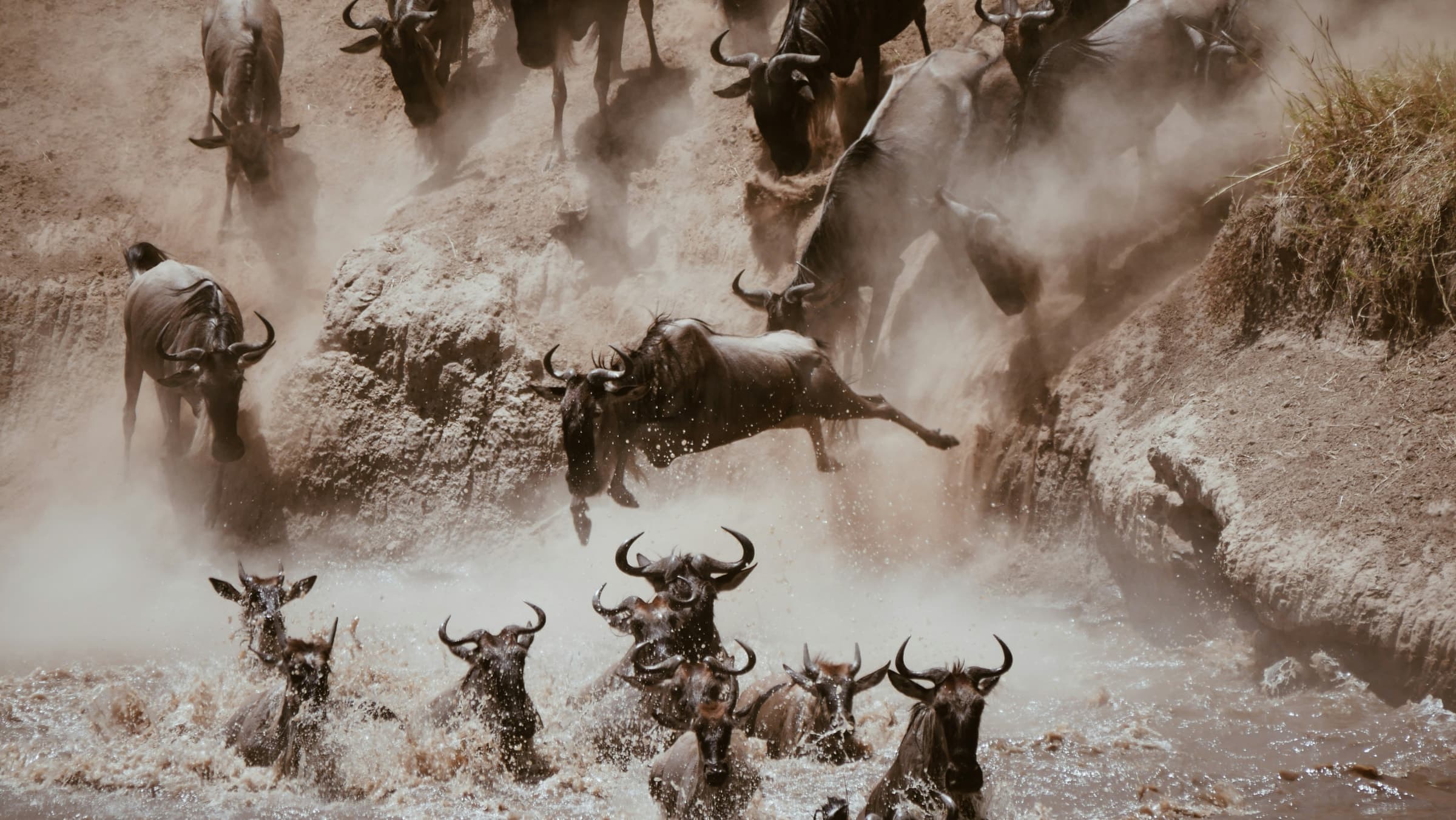
Best for Great Migration: January-February (calving season), July-October (river crossings), or December-March (southern Serengeti).
Best for avoiding crowds: November, March, and April have fewer tourists while still offering good game viewing.
Tanzania's Seasons Explained
Dry Season (June-October)
Weather: Cool to warm days (70-85°F / 21-29°C), cool nights (50-65°F / 10-18°C), minimal rainfall, low humidity, clear skies perfect for photography.
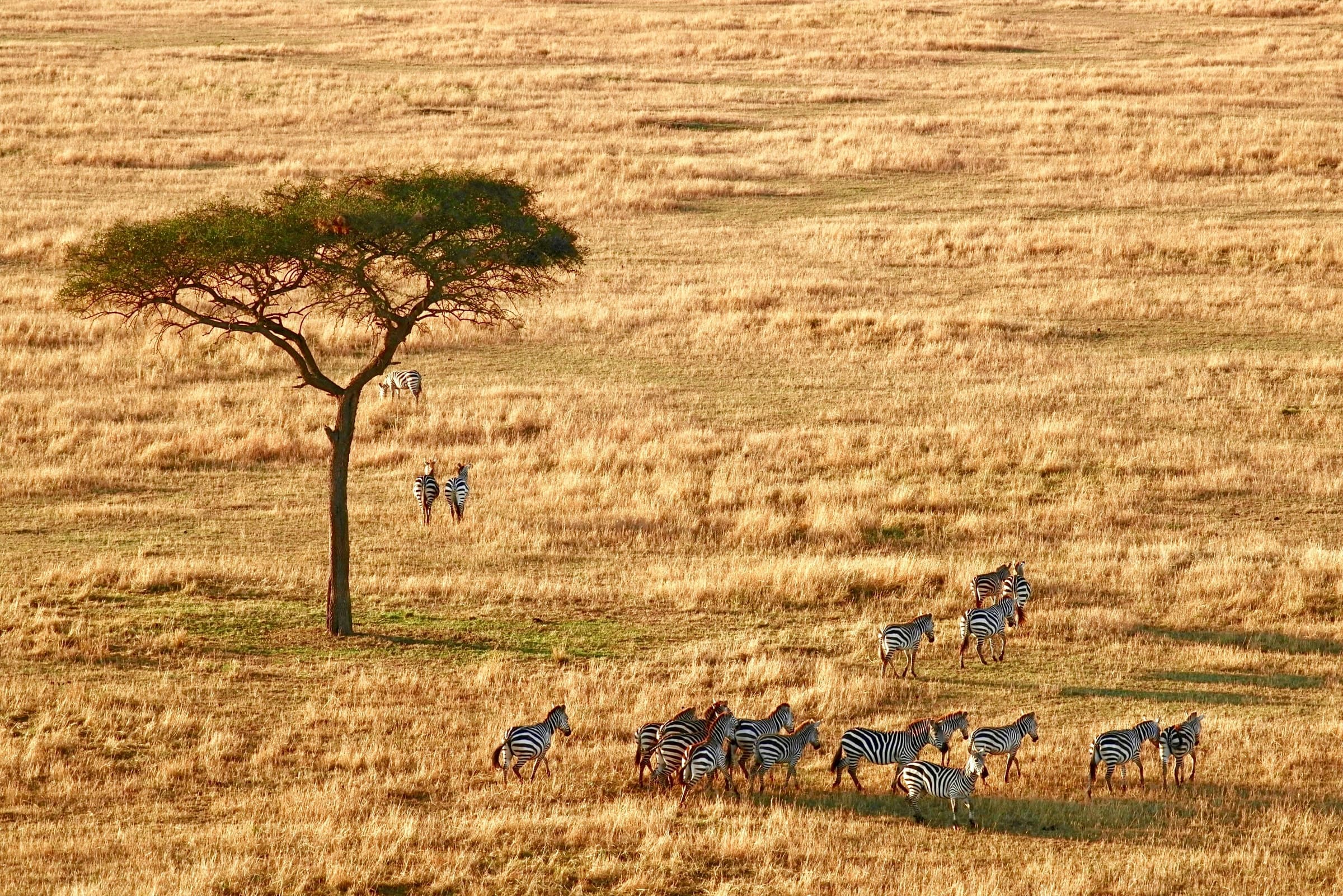
Wildlife: Excellent game viewing as animals concentrate around permanent water sources. Vegetation is sparse, making animals easier to spot. Predators are active and easy to observe.
Highlights: Great Migration in northern Serengeti (July-October) with dramatic river crossings, elephant herds in Tarangire, optimal for all northern circuit parks.
Crowds & Prices: Peak season means highest prices (20-40% premium) and most tourists. Book 6-12 months in advance. Popular areas like Ngorongoro Crater and Serengeti migration zones can feel crowded.
Best for: First-time safari-goers, photographers, those wanting guaranteed wildlife sightings, visitors uncomfortable with rain.
Short Rains (November-December)
Weather: Afternoon showers (usually 1-2 hours), warm days (75-88°F / 24-31°C), generally clear mornings, high humidity, lush green landscapes.
Wildlife: Very good game viewing with far fewer tourists. Animals are still easily found despite growing vegetation. Birthing season begins for many species. Migrant birds arrive—paradise for birders (500+ species).
Highlights: Great Migration in central/southern Serengeti, excellent birding with migrants, lower prices (15-25% discount), fewer crowds, green season photography opportunities.
Crowds & Prices: Shoulder season with moderate prices and fewer tourists. Excellent value for money. Most lodges remain open but some remote camps close.
Best for: Budget-conscious travelers, birders, those avoiding crowds, visitors who don't mind occasional rain.
Short Dry Season (January-February)
Weather: Warm to hot (75-90°F / 24-32°C), generally dry with occasional light showers, clear skies, pleasant humidity levels.
Wildlife: Outstanding wildlife viewing—many consider this the best time. Massive wildebeest calving in southern Serengeti (December-March) with 400,000+ calves born. Predators are extremely active with easy prey. Lush green landscapes provide stunning photography backdrops.
Highlights: Wildebeest calving season in Ndutu/southern Serengeti (incredible predator action), green season beauty, good weather, reasonable prices, moderate crowds.
Crowds & Prices: Moderately busy, especially late December-mid January. Prices increase for Christmas/New Year period but February offers better value.
Best for: Photographers, predator enthusiasts, first-time safari-goers wanting good weather + value.
Long Rains (March-May)
Weather: Heavy afternoon/evening rainfall (especially April), warm and humid (72-86°F / 22-30°C), morning clear periods, lush vegetation, dramatic storm skies for photography.
Wildlife: Wildlife viewing remains good in March, declines in April-May as animals disperse. Thick vegetation makes spotting harder. Many animals give birth—great for seeing young wildlife. Fewer vehicles means more intimate sightings when you do find animals.
Highlights: Lowest prices (30-50% discount), virtually no crowds, lush green landscapes, fewer vehicles at sightings, perfect for flexible travelers who can adjust to weather.
Crowds & Prices: Very quiet with lowest prices of the year. Many remote camps close. Some roads become challenging or impassable. Northern circuit lodges remain open.
Best for: Budget travelers, experienced safari-goers, those seeking solitude, flexible travelers who don't mind rain disrupting some game drives.
Month-by-Month Breakdown
January ⭐⭐⭐⭐⭐
Weather: Warm, generally dry, occasional showers
Wildlife: Excellent - Calving season begins
Migration: Southern Serengeti (Ndutu area)
Crowds: Moderate (busy early month)
Price: High (Christmas/NY), drops mid-month
Verdict: One of the best months combining good weather, calving season, and reasonable crowds after mid-month.
February ⭐⭐⭐⭐⭐
Weather: Warm, mostly dry
Wildlife: Excellent - Peak calving season
Migration: Southern Serengeti (Ndutu area)
Crowds: Moderate
Price: Medium-High
Verdict: Outstanding month with 400,000+ wildebeest calves born. Incredible predator action. Highly recommended.
March ⭐⭐⭐⭐
Weather: Increasing rain, warm
Wildlife: Good - Animals starting to disperse
Migration: Moving north through central Serengeti
Crowds: Low
Price: Medium-Low
Verdict: Good value month with fewer tourists. Expect some rain but excellent game viewing remains. Great shoulder season option.
April ⭐⭐
Weather: Peak rainy season, heavy afternoon storms
Wildlife: Fair - Thick vegetation, dispersed animals
Migration: Western corridor
Crowds: Very low
Price: Lowest of the year
Verdict: Best for extreme budget travelers willing to trade weather challenges for big savings. Some roads impassable. Many camps closed.
May ⭐⭐⭐
Weather: Declining rains, warming up
Wildlife: Good - Improving as month progresses
Migration: Western corridor
Crowds: Very low
Price: Very low
Verdict: "Emerald season" with beautiful green landscapes. Late May is excellent value as rains taper off. Hidden gem for budget travelers.
June ⭐⭐⭐⭐⭐
Weather: Dry, pleasant temperatures, clear skies
Wildlife: Excellent - Animals congregating at water
Migration: Central to Western Serengeti
Crowds: Increasing
Price: High
Verdict: Dry season begins. Outstanding game viewing with comfortable weather. Popular with families during summer holidays.
July ⭐⭐⭐⭐⭐
Weather: Cool mornings, warm days, dry
Wildlife: Excellent
Migration: Northern Serengeti - River crossings begin
Crowds: High
Price: Highest of year
Verdict: Peak season for Great Migration river crossings. Spectacular but expensive and crowded. Book 9-12 months ahead for migration camps.
August ⭐⭐⭐⭐⭐
Weather: Cool to warm, dry, excellent for game drives
Wildlife: Excellent
Migration: Northern Serengeti - Peak river crossings
Crowds: Highest
Price: Highest
Verdict: Best month for dramatic Mara River crossings. Classic safari weather. Very busy—expect many vehicles at popular spots.
September ⭐⭐⭐⭐⭐
Weather: Dry, warming up, low humidity
Wildlife: Excellent
Migration: Northern Serengeti/Masai Mara
Crowds: High
Price: High
Verdict: Still excellent for river crossings (animals cross back and forth). Slightly less crowded than August. Top-tier safari month.
October ⭐⭐⭐⭐
Weather: Hot, dry, "little rains" may start late month
Wildlife: Excellent - Concentrated around water
Migration: Returning south from Masai Mara
Crowds: Moderate-High
Price: High (drops late month)
Verdict: Hot conditions excellent for wildlife as animals cluster at waterholes. Late October offers better value as crowds thin.
November ⭐⭐⭐⭐
Weather: Short rains begin, afternoon showers
Wildlife: Good to very good
Migration: Southern/Central Serengeti
Crowds: Low
Price: Medium-Low
Verdict: Excellent shoulder season. Good weather most days with fewer tourists and lower prices. Great value for money.
December ⭐⭐⭐⭐
Weather: Short rains, warm, occasional showers
Wildlife: Good
Migration: Moving to southern Serengeti
Crowds: High (Christmas/New Year)
Price: High
Verdict: Popular for holidays. Weather generally good. Book far in advance for Christmas period. Early December offers better value before peak.
Special Considerations
Great Migration Timing
December-March: Southern Serengeti (Ndutu) - Calving season, predator action
April-May: Western corridor - Moving north
June-July: Central/Western Serengeti - Heading toward Mara River
July-October: Northern Serengeti - River crossings (peak action July-September)
November: Returning south through central Serengeti
Note: Migration is unpredictable and driven by rainfall. These are typical patterns but can vary by 2-4 weeks year to year.
Zanzibar Beach Extension
Best time: June-October (dry, perfect beach weather, calm seas)
Good time: January-February (hot, mostly dry)
Avoid: April-May (heavy rain, rough seas, seaweed issues)
Note: March-May is "seaweed season" on east coast beaches—choose west coast if visiting then.
Kilimanjaro Climbing
Best months: January-February and June-October
Avoid: April-May (heavy rain makes trails dangerous and muddy)
Note: Can combine Kilimanjaro climb with safari year-round, but coordinate seasons for best overall experience.
Booking Timeline by Season
Peak Season (June-October, December-February)
Book: 9-12 months in advance
Why: Best lodges and camps fill up, especially those positioned for Great Migration
Migration camps: Book 12-15 months ahead for July-September river crossing camps
Shoulder Season (November, March)
Book: 4-6 months in advance
Why: Good availability, reasonable advance booking ensures your preferred camps
Flexibility: Some last-minute deals available 6-8 weeks out
Low Season (April-May)
Book: 2-4 months in advance
Why: Many camps closed, but those open have good availability
Last-minute: Often possible 2-4 weeks before for significant discounts
Expert Recommendations
For First-Timers
Best choice: June-September or January-February
Why: Reliable weather, excellent wildlife viewing, all facilities open, guides in peak form after daily game drives.
For Budget Travelers
Best choice: November or late May
Why: 20-35% cheaper than peak season, good game viewing, fewer tourists, weather acceptable with only occasional rain.
For Photographers
Best choice: January-February or September-October
Why: January-February has lush green landscapes + drama of calving season. September-October has dramatic skies of late dry season, concentrated wildlife, good light.
For Avoiding Crowds
Best choice: November or March
Why: Far fewer tourists, more intimate wildlife encounters, still good game viewing, lower prices.
For Luxury/Honeymoon
Best choice: June-October
Why: Guaranteed good weather, all camps open, consistent wildlife viewing—worth paying premium to avoid rain risks.
Explore Our Safaris
Put this guide into action with one of our curated safari packages
Ready to Start Planning?
Let our expert team help you create an unforgettable Tanzania safari experience.