HomeBlogUltimate Safari Packing List: What to Wear & Bring to Tanzania
Safari PlanningTravel TipsPacking Guide

Ultimate Safari Packing List: What to Wear & Bring to Tanzania

Complete safari packing guide for Tanzania. Learn exactly what to pack, what to wear on safari, essential gear, photography equipment, and insider tips to ensure you're perfectly prepared for your African adventure.

Safari Tanzania Team
December 9, 2025
16 min read
Ultimate Safari Packing List: What to Wear & Bring to Tanzania

Packing for a Tanzania safari requires careful consideration of climate, activities, and practicality. This comprehensive guide covers everything you need to pack, what to wear on game drives, essential gear, and what to leave at home.

The Golden Rules of Safari Packing

  1. Pack Light: Most safari operators have strict luggage limits (15kg for fly-in safaris)
  2. Use Soft Bags: Soft duffel bags fit better in safari vehicles and small aircraft (no hard-shell suitcases)
  3. Neutral Colors Only: Khaki, olive, beige, brown - avoid bright colors that disturb wildlife
  4. Layer Your Clothing: Temperatures vary dramatically from dawn to midday
  5. Protect from Dust: Everything gets dusty - pack items in ziplock bags

Safari Clothing: What to Wear

Essential Clothing Items

Tops (4-6 items)

  • Long-sleeve safari shirts (3-4): Lightweight, breathable fabric; protects from sun and insects
    • Look for: Quick-dry material, vented panels, roll-up sleeves
    • Brands: Craghoppers NosiLife, Columbia, Eddie Bauer
    • Colors: Khaki, olive, tan, beige
  • T-shirts (2-3): For layering or casual camp wear
    • Merino wool or synthetic (not cotton - takes too long to dry)
  • Fleece or light sweater (1): Essential for early morning game drives (can be 10°C/50°F)
  • Windbreaker or light jacket (1): Water-resistant, windproof
    • Pop-top vehicles mean wind exposure during drives

Bottoms (3-4 items)

  • Safari pants/trousers (2): Long, lightweight, with zip-off legs ideal
    • Zip-off convertible pants are versatile (pants + shorts in one)
    • Cargo pockets useful for keeping items handy
    • Brands: Craghoppers, Prana, REI
  • Safari shorts (1-2): For midday heat at camp
    • Below-knee length preferred (sun protection)
    • Only wear at camp, not on game drives (insects, sun exposure)
  • Comfortable camp pants (1): For evenings at lodge/camp

Footwear (2-3 pairs)

  • Hiking boots or closed-toe shoes: Essential for walking safaris
    • Ankle support important
    • Break them in before your trip!
    • Waterproof if traveling in rainy season
  • Comfortable sneakers or trail shoes: For general wear, game drives
  • Sandals or flip-flops: For camp/lodge relaxation, showers
    • Closed-toe sandals (Teva, Keen) better than flip-flops

Accessories

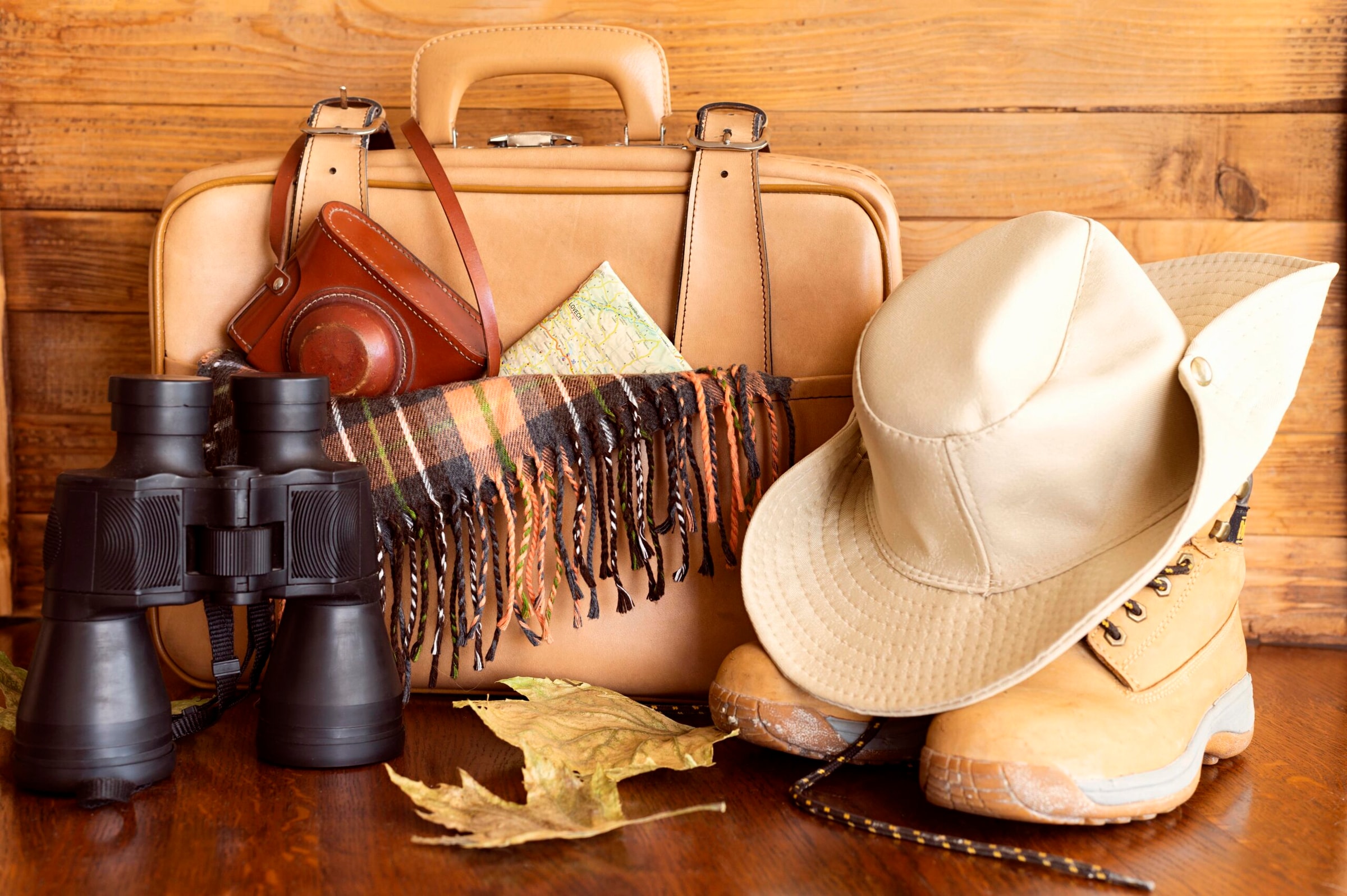
  • Wide-brimmed hat: Essential sun protection (can be 30°C+/86°F+)
    • Look for: Chin strap (for windy game drives), UPF 50+ rating
    • Styles: Safari hat, boonie hat, wide-brim fedora
  • Buff or bandana: For dust protection, neck sun protection
  • Sunglasses: Polarized lenses ideal, with strap/retainer
  • Lightweight scarf: Multipurpose (warmth, dust protection, sun cover)
  • Socks (5-7 pairs): Moisture-wicking socks; both thin and hiking socks
  • Underwear (7+): Quick-dry synthetic or merino wool
  • Swimwear: Many lodges have pools

Color Guidelines: What Colors to Wear on Safari

✅ DO WEAR These Colors:

  • Khaki, beige, tan
  • Olive green, sage green
  • Brown, light brown
  • Gray, taupe
  • Neutral earth tones

❌ DON'T WEAR These Colors:

  • Black or dark blue: Attracts tsetse flies
  • White or bright colors: Shows dirt immediately, reflects light, disturbs animals
  • Camouflage patterns: Illegal in some African countries (associated with military)
  • Bright red, yellow, orange: Disturbs wildlife, ruins photos

What to Wear for Different Safari Activities

Early Morning Game Drive (6:00-10:00 AM)

  • Long pants
  • Long-sleeve shirt
  • Fleece or warm layer
  • Closed-toe shoes
  • Hat (maybe gloves in June-August)
  • Tip: Dress in layers - it warms up quickly after sunrise

Midday at Camp (10:00 AM - 3:00 PM)

  • Light, breathable clothing
  • Shorts acceptable at camp
  • T-shirt or light shirt
  • Sandals or comfortable shoes
  • Hat essential when outdoors

Evening Game Drive (3:30-6:30 PM)

  • Long pants and long-sleeve shirt
  • Bring fleece/jacket (gets cold after sunset)
  • Closed-toe shoes
  • Sunglasses and hat

Walking Safari

  • Long pants (for brush protection)
  • Long-sleeve shirt
  • Hiking boots (ankle support important)
  • Hat and sunglasses
  • Gaiters if available (snake/tick protection)

Essential Safari Gear & Equipment

Sun Protection (Critical!)

  • Sunscreen SPF 50+: Reapply every 2 hours
    • Reef-safe if visiting Zanzibar/coast
    • Face and body formulas
  • Lip balm with SPF: Your lips will thank you
  • After-sun lotion or aloe vera: For sunburn relief

Insect Protection

  • DEET insect repellent (30-50%): Essential for malaria prevention
    • Spray and lotion formulas
    • Apply to exposed skin and over clothing
  • Permethrin spray: For treating clothing (lasts multiple washes)
  • Anti-itch cream: For inevitable mosquito bites

Health & Hygiene

  • Malaria prophylaxis: Prescription medication (Malarone, Doxycycline, or Mefloquine)
    • Start before arrival, continue after departure as directed
  • First aid kit: Band-aids, pain relievers, anti-diarrheal, antibiotic ointment
  • Prescription medications: Bring enough for entire trip PLUS extra
    • Keep in original containers with prescriptions
    • Pack in carry-on (never checked luggage)
  • Hand sanitizer: Essential (especially before eating)
  • Wet wipes or baby wipes: For refreshing during dusty drives
  • Toilet paper: Small pack (emergency supply)
  • Tissues: For dusty noses
  • Feminine hygiene products: Bring your full supply (hard to find in remote areas)

Technology & Electronics

  • Camera & lenses: See photography section below for detailed guide
  • Smartphone: For casual photos, apps, communication
  • Binoculars: 8x32 or 10x42 recommended
    • Essential for spotting distant wildlife
    • Brands: Nikon Monarch, Vortex, Bushnell
  • Headlamp or flashlight: Essential for camp navigation at night
    • Red light mode available on many (doesn't disturb wildlife)
  • Power bank: High capacity (20,000+ mAh)
    • Charging opportunities limited in remote camps
  • Universal adapter: Tanzania uses UK-style outlets (Type D & G)
  • Car charging cables: Many safari vehicles have USB or 12V outlets
  • Multi-port USB charger: For charging multiple devices simultaneously

Safari Accessories

  • Daypack or small backpack: For carrying essentials on game drives
    • Water bottle, camera, sunscreen, binoculars, snacks
  • Reusable water bottle: Stay hydrated (drink 3-4 liters daily)
  • Ziplock bags (various sizes): Keep electronics dust-free, organize items
  • Dry bags: For protecting sensitive items from dust
  • Travel pillow: Long drives more comfortable
  • Eye mask & earplugs: For better sleep
  • Field guidebook: Bird or mammal guide for species identification
  • Journal & pen: Record your safari memories, sightings
  • Playing cards or small games: For downtime at camp

Photography Equipment Guide

Camera Bodies

  • DSLR or Mirrorless: Full-frame or APS-C sensor
    • Popular models: Canon R5/R6, Nikon Z6/Z7, Sony A7 series
    • Fast autofocus and good high-ISO performance crucial
  • Backup camera body: Highly recommended (dust, heat, equipment failure risk)

Lenses for Safari

  • Telephoto zoom (Essential): 100-400mm, 150-600mm, or 200-600mm
    • You need REACH - animals often 20-50+ meters away
    • Image stabilization (IS/VR) essential for vehicle shooting
  • Mid-range zoom: 24-105mm or 24-70mm
    • For landscapes, close encounters, lodge shots
  • Wide-angle: 16-35mm (optional)
    • For landscapes, environmental shots

Camera Accessories

  • Memory cards: Multiple high-speed cards (128GB+ each)
    • Expect to shoot 500-1000+ photos per day
    • SD or CFexpress depending on camera
  • Extra batteries: 3-4 batteries minimum
    • Charging opportunities limited
    • Cold mornings drain batteries faster
  • Battery charger: Dual charger ideal
  • Lens cleaning kit: Blower, microfiber cloths, cleaning solution
    • Dust is constant - clean lenses multiple times daily
  • Camera bag: Padded, dust-resistant
    • Must fit on safari vehicle floor or seat
  • Rain cover: For protecting gear in unexpected rain
  • Beanbag: Essential for vehicle-based photography
    • Provides stable platform on door/window frame
    • Many operators provide, but bring your own empty one to fill on arrival

Documents & Money

Essential Documents

  • Passport: Valid for 6+ months beyond travel dates; 2+ blank pages
  • Visa: E-visa or visa-on-arrival (see our visa guide)
  • Yellow Fever certificate: Required if coming from endemic countries
  • Travel insurance documents: Policy number, emergency contacts, coverage details
  • Flight confirmations: Printed and digital copies
  • Safari booking confirmations: Vouchers, itinerary
  • Hotel reservations: Pre and post-safari accommodations
  • Emergency contact information: Embassy numbers, tour operator contacts
  • Photocopies of all documents: Keep separate from originals
  • Digital copies: Email yourself or store in cloud

Money

  • US Dollars: Cash for tips, small purchases
    • Bring $50 and $100 bills (post-2013 series preferred)
    • $10-20 per day per person for guide/staff tips
  • Credit card: Visa/Mastercard (for lodge bills, emergencies)
    • Notify your bank of travel dates
  • Small amount of Tanzanian Shillings: For small purchases, airport needs
    • Can exchange at airport arrival

What NOT to Pack

  • Camouflage clothing: Illegal in some African countries
  • Expensive jewelry: Unnecessary risk, doesn't fit safari lifestyle
  • Hair dryer: Most lodges provide them (or don't need them)
  • Too many clothes: You'll wear same safari outfit repeatedly
  • Hard-shell suitcases: Won't fit in safari vehicles or small aircraft
  • White clothing: Shows every speck of red dust
  • High heels or dress shoes: No need for formal wear
  • Valuable items: Leave expensive watches, designer bags at home

Packing Tips by Destination

Serengeti & Northern Circuit

  • Dust is significant - pack extra lens cleaning supplies
  • June-October: Cooler mornings, pack warm layers
  • November-May: Occasional rain, pack light rain jacket

Southern Circuit (Ruaha, Selous/Nyerere)

  • Often fly-in safaris - strict 15kg soft bag limit
  • Generally warmer than northern parks
  • Walking safaris common - good hiking boots essential

Zanzibar Extension

  • Beach resort clothing
  • Swimwear, sundresses, shorts
  • Reef-safe sunscreen
  • Snorkel gear (or rent there)
  • Light evening wear for restaurants
  • Note: Zanzibar is predominantly Muslim - dress modestly in Stone Town and villages

Kilimanjaro Climb

  • Completely different packing list - see our Kilimanjaro packing guide
  • Multiple climate zones require specialized gear

Laundry on Safari

Most lodges and permanent camps offer laundry service (sometimes complimentary, sometimes for fee). This means you can pack less clothing.

  • Turnaround time: Usually 24 hours
  • What they'll wash: All safari clothes
  • What they won't wash: Often underwear/intimates (hand wash these)
  • Tip: Don't rely on laundry for your first few days - pack enough clothes initially

Sample Packing List Checklist

Print this checklist:

Clothing (Neutral Colors)

  • □ Long-sleeve shirts (3-4)
  • □ T-shirts (2-3)
  • □ Long pants (2-3)
  • □ Shorts (1-2)
  • □ Fleece/warm layer (1)
  • □ Light jacket (1)
  • □ Hiking boots
  • □ Comfortable shoes
  • □ Sandals
  • □ Socks (5-7 pairs)
  • □ Underwear (7+)
  • □ Swimwear
  • □ Hat (wide-brim)
  • □ Sunglasses
  • □ Bandana/buff

Health & Protection

  • □ Sunscreen SPF 50+
  • □ Lip balm with SPF
  • □ Insect repellent (DEET)
  • □ Malaria prophylaxis
  • □ First aid kit
  • □ Prescription medications
  • □ Hand sanitizer
  • □ Wet wipes

Electronics

  • □ Camera & lenses
  • □ Memory cards
  • □ Extra batteries
  • □ Chargers
  • □ Power bank
  • □ Binoculars
  • □ Headlamp
  • □ Universal adapter
  • □ Phone

Documents

  • □ Passport
  • □ Visa
  • □ Yellow fever certificate (if required)
  • □ Travel insurance docs
  • □ Flight confirmations
  • □ Safari vouchers
  • □ Photocopies of documents

Accessories

  • □ Daypack
  • □ Water bottle
  • □ Ziplock bags
  • □ Field guidebook
  • □ Journal & pen
  • □ Travel pillow

Final Packing Tips

  • Break in your boots: Wear them for several weeks before departure
  • Test all electronics: Ensure everything works before leaving
  • Pack a change of clothes in carry-on: In case checked luggage is delayed
  • Weight your bag: Ensure you're under airline limits (especially for fly-in safaris)
  • Leave space for souvenirs: You'll want to bring back treasures!
  • Take photos of your luggage: Helps if bags go missing
  • Attach luggage tags: With your name and contact info
  • Pack the night before: Don't rush the morning of departure

Ready to Book Your Tanzania Safari?

Now that you know what to pack, it's time to plan your adventure! Contact us to design your perfect Tanzania safari with expert guidance on the best routes, accommodations, and timing for your trip.

S

About Safari Tanzania Team

Safari expert and travel writer with years of experience exploring Tanzania's wilderness and helping travelers create unforgettable African adventures.

Ready to Start Your Safari Adventure?

Let us help you plan the perfect Tanzania safari tailored to your dreams.